Isabelle Capsel: Hemophilia B Advocate & Ryan White Youth Award Winner
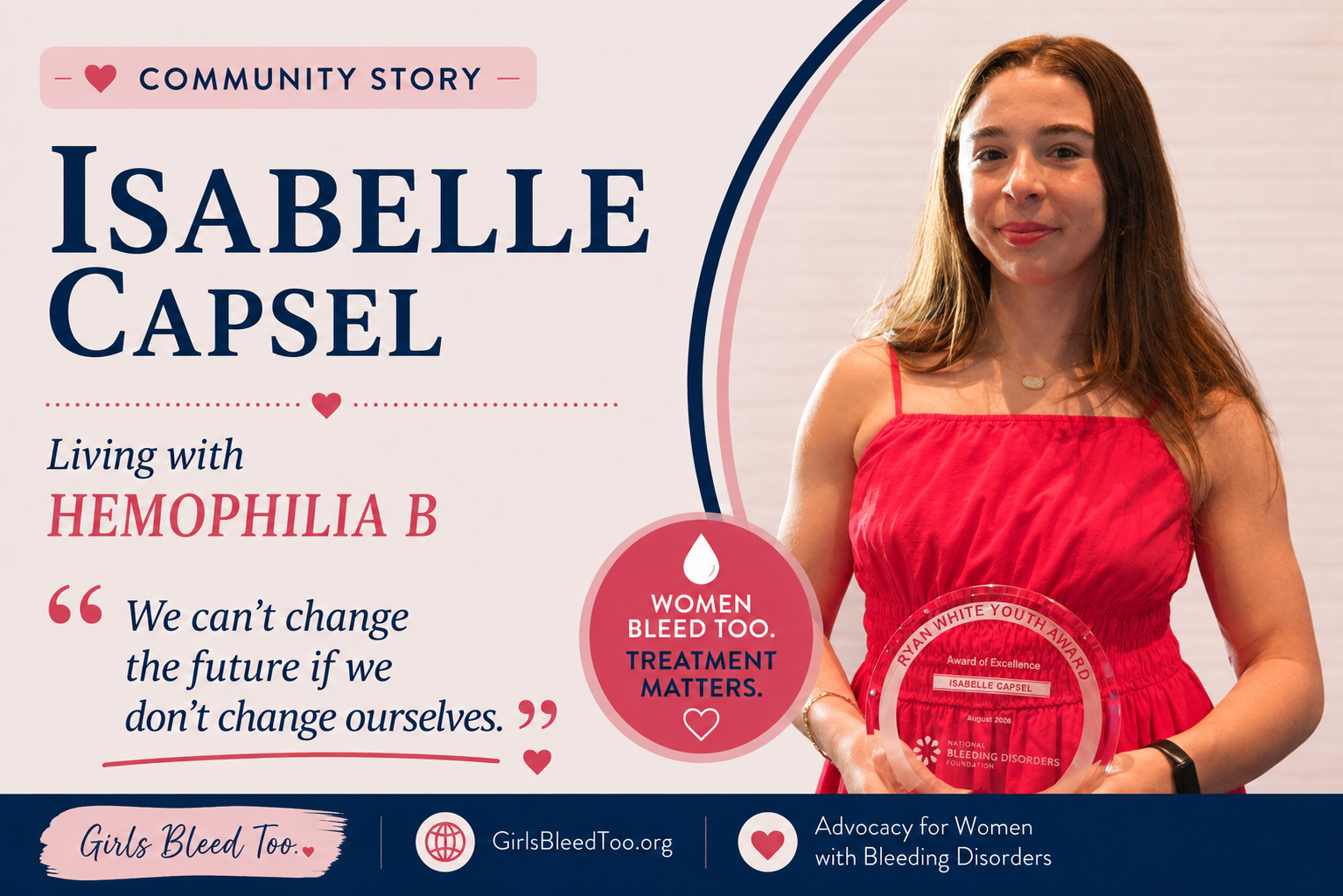
Most of the women who share their stories with Girls Bleed Too spent decades fighting to be taken seriously. Isabelle Capsel is 16, and she's spending her teenage years testifying at statehouses instead. That gap — between the generation that had to prove their bleeding was real and the one growing up believed — is exactly the ground GBT exists to cover.
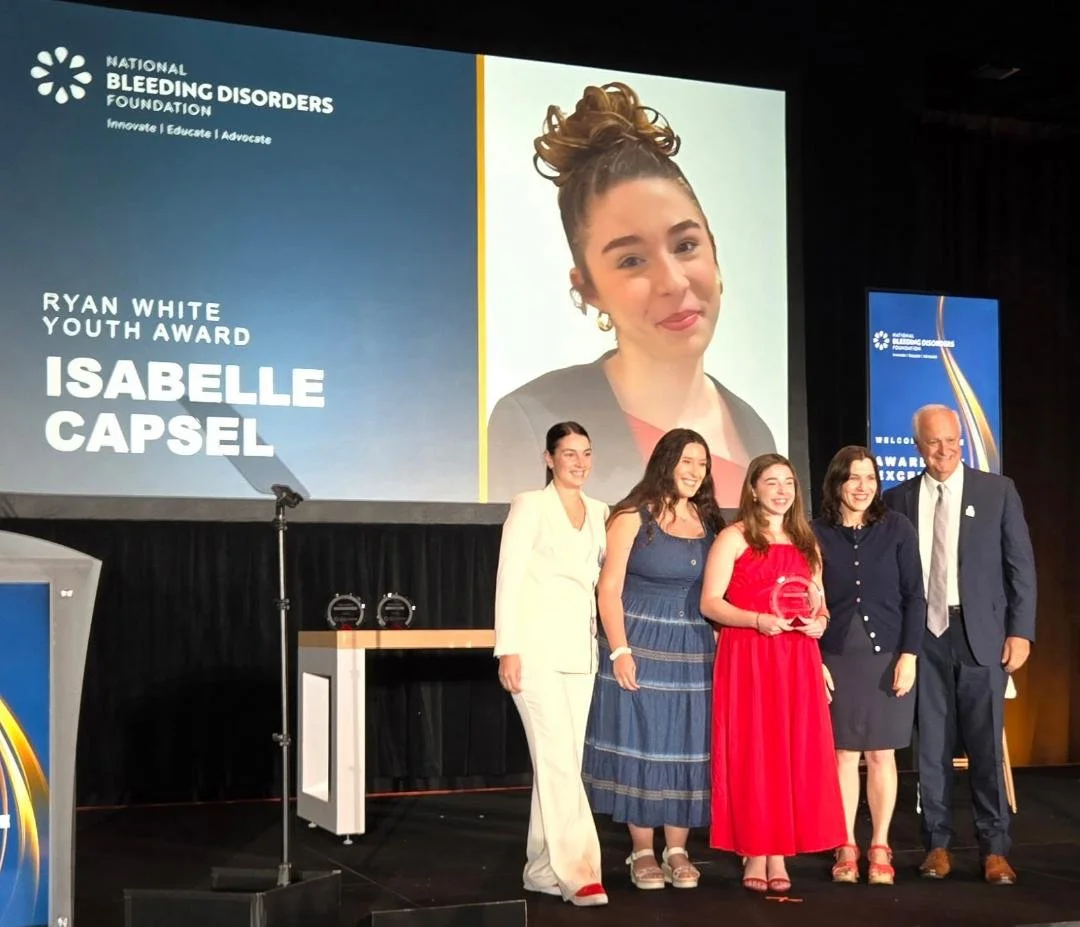
Isabelle Capsel, center, is presented with the 2026 Ryan White Youth Award at the National Bleeding Disorders Foundation’s Bleeding Disorders Conference in Orlando, Florida. (Courtesy of Isabelle Capsel)
Our founder wrote about watching Isabelle receive the 2026 Ryan White Youth Award at NBDF's Bleeding Disorders Conference in Orlando — and what it means that a girl with hemophilia B can now choose the spotlight instead of having a diagnosis forced into it. Her original column ran on Bleeding Disorders News; we're sharing it here because it says something our community needs to hear.
Isabelle Capsel, 16, was awarded the 2026 Ryan White Youth Award
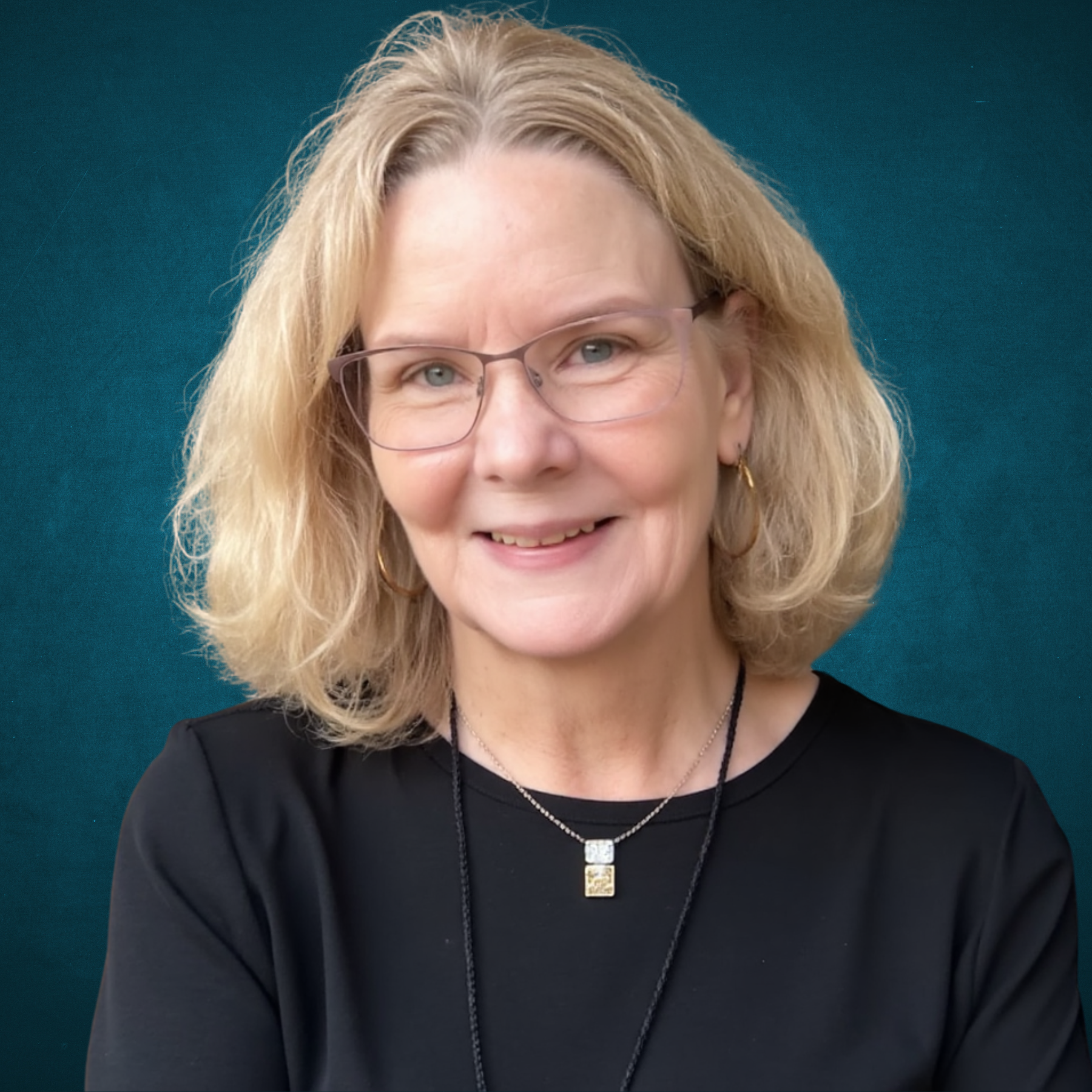
Isabelle Capsel is 16. She has hemophilia B. So do I.
I was in Orlando, Florida, at the National Bleeding Disorders Foundation’s Bleeding Disorders Conference (BDC) when they called her name for the Ryan White Youth Award. Everyone in the room stood. I stood with them, clapping hard, my eyes filling with tears. There’s a particular kind of pride that doesn’t belong to you and still fills you up anyway. That’s what a standing ovation for a 16-year-old does to a room full of people who know exactly what it costs to get here.
That’s the whole story in miniature — a girl from a generation after mine, standing in a ballroom in Orlando, being handed an award named for a boy who died before she was born, and doing something that took many of us years to learn: telling the truth about hemophilia, loudly, in public, without apologizing for it.
A full life, not a diagnosis
Here is what Isabelle’s calendar looks like: FFA. Book club. Varsity gymnastics and tennis. The Ohio State Fashion Board. Pickaway County Junior Fair Board. Church youth group. A competitive YMCA gymnastics team. 4-H. A flock of sheep she manages herself. She is, by any measure, a busy 16-year-old from Circleville, Ohio, who also serves on the Ohio Bleeding Disorders Council and spends her free time walking the halls of the Ohio Statehouse and Capitol Hill, explaining hemophilia B to the people who make laws about it.
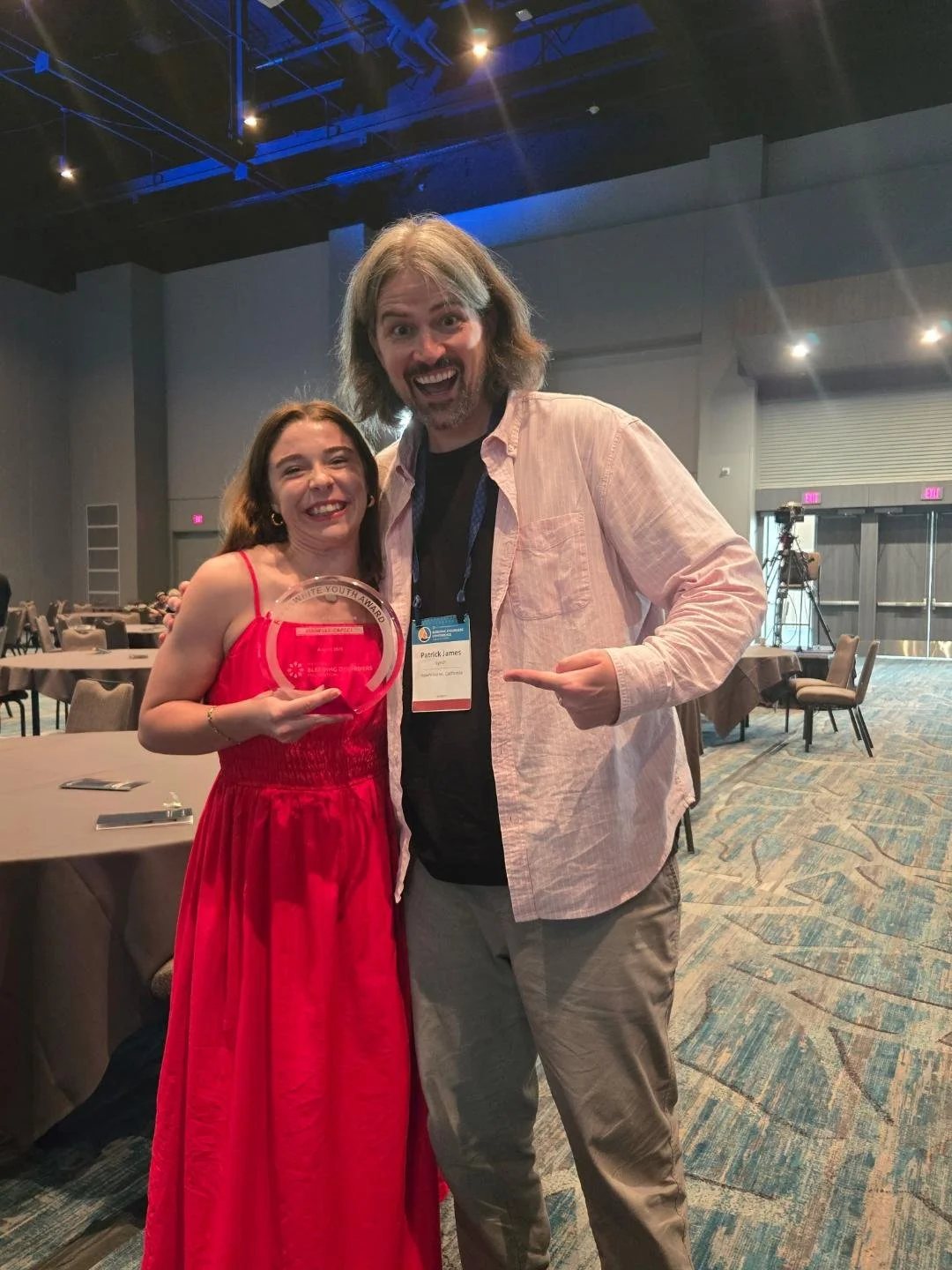
Isabelle with Patrick James Lynch, Founder and CEO of Believe Limited. (Courtesy of Isabelle Capsel)
I bring up the sheep and the fashion board on purpose. It would be easy to write about Isabelle only through the lens of her diagnosis and lose the girl underneath all of it. But she wants to be seen as a whole person. A person with hemophilia, not a hemophilia patient who also does other things.
‘Dismissed’
Isabelle was 15 when she filmed “Dismissed,” a documentary that follows five women with bleeding disorders — four of them older, diagnosed late or not at all, carrying the damage of decades spent being told their bleeding wasn’t real. Isabelle was the youngest voice in the film, and the only one diagnosed at 18 months old instead of after years of being dismissed by doctors who didn’t believe girls could have hemophilia.
In interviews, she’s said it plainly: Her generation gets doctors who are finally willing to prove women have bleeding disorders. The four older women in that film didn’t have that. Isabelle knows the difference a diagnosis makes, because she’s lived on the fortunate side of it, and she’s chosen to advocate to make sure fewer girls have to live on the other side.
Well deserved
Last month, Isabelle became the first teenager to receive the Thomas H. Burr Advocacy Award from FamOhio, a recognition usually reserved for advocates decades into their careers. At this year’s BDC, she received the Ryan White Youth Award.
I think about what it means that the award carries Ryan White‘s name. He was once a teenager, too — thrust into a spotlight he didn’t ask for, made to explain his illness to a country that didn’t want to listen. Isabelle chose her spotlight. She auditioned for it, interviewed twice, earned the lead role in a film about being dismissed. There’s something in that difference worth sitting with — how far this community has come, that a girl with hemophilia B can now choose visibility instead of having it forced on her by tragedy.
When I read her line — we can’t change the future if we don’t change ourselves — I felt the particular ache of watching a teenager already understand something it took me years longer to learn. Isabelle isn’t waiting for permission to take up space in this community. She isn’t waiting to be older, more credentialed, more sure. She’s ordering her own clotting factor, learning to self-infuse, and telling senators what she needs, all before she can vote.
I have hemophilia B like Isabelle. I did not have her voice at 16. I’m grateful the community now has hers.
Why This Story Belongs on Girls Bleed Too
Isabelle's diagnosis at 18 months old is the exception, not the rule, in this community — most of the women we hear from were diagnosed decades into adulthood, if at all. That gap is the whole reason our Recognition & Delayed Diagnosis pillar exists. If you're wondering whether your own symptoms fit the pattern, our heavy menstrual bleeding recognition guide is a good place to start.
Isabelle was also the youngest voice in "Dismissed," the documentary following five women with bleeding disorders — most of them diagnosed late, after years of being told their bleeding wasn't real. If her story resonates, that film is worth the watch.
And if you're navigating your own diagnosis and looking for a provider who takes women's bleeding disorders seriously, our community-sourced provider directory was built for exactly that.