I was happy to see hemophilia depicted well on a favorite TV show
Columnist Jennifer Lynne reacts to a diagnosis featured on 'Call the Midwife'
I was pleasantly surprised to see a character with hemophilia depicted in a recent episode of “Call the Midwife,” a television series I adore. Usually, I’m disappointed with how hemophilia or von Willebrand disease is presented on TV, as it’s often inaccurate. This time, however, I felt the portrayal was spot on, especially given the limited knowledge of hemophilia in the 1950s.
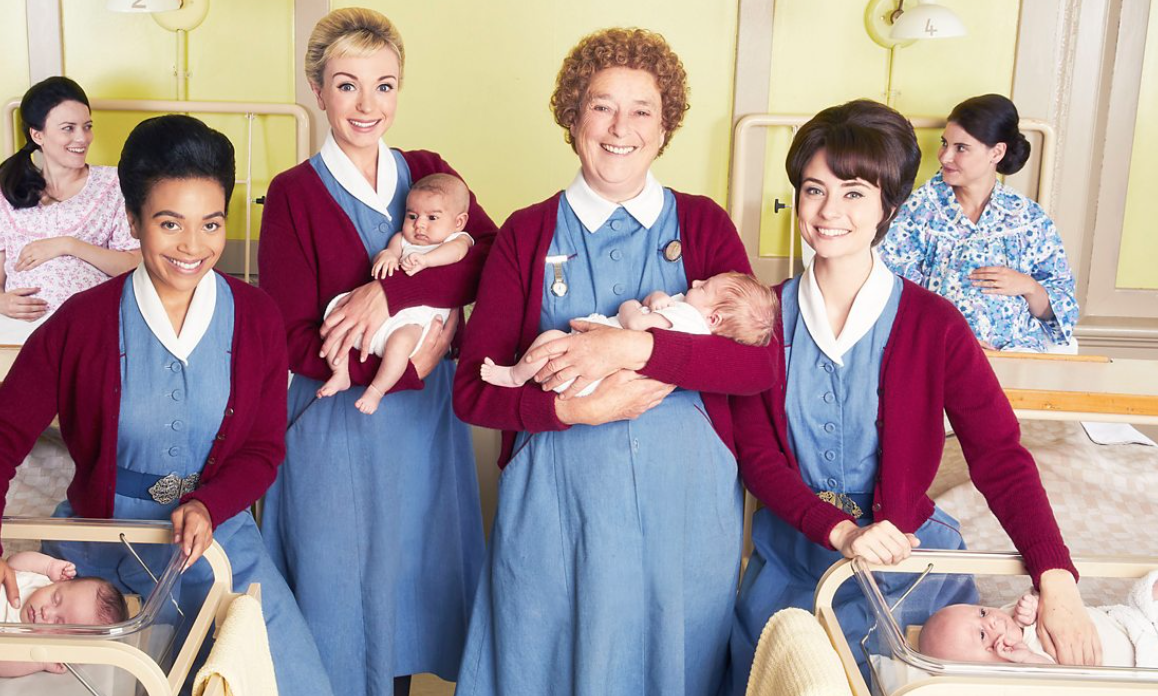
“Call the Midwife” is a British period drama created by Heidi Thomas and based on the memoirs of Jennifer Worth, a midwife who worked in London’s East End in the ’50s. The series follows the lives of midwives and nuns working at Nonnatus House, a convent in Poplar, a village in East London. The midwives and nuns provide care to Poplar’s women and families, who are often poor and struggling.
The series explores the challenges and joys of midwifery, as well as the social and political changes that were taking place in Britain in the 1950s.
A realistic portrayal of diagnosis
In Season 12, Episode 3, the character Lorna Pryce gives birth to a son, Ian. Dr. Turner notices that Ian has a cephalohematoma, a scalp bruise caused by the forceps used for Ian’s delivery. Ian bleeds longer than expected from a heel stick and has multiple bruises, causing Dr. Turner to tell Lorna that he thinks the child has a bleeding disorder. He refers the baby to a hospital for a specialist consultation.
I truly appreciated Dr. Turner’s astuteness in realizing that Ian might have a bleeding disorder. When I was growing up in the ’70s, bleeding disorders like hemophilia were believed to affect only males. Thankfully, my pediatrician suspected that I might have a bleeding disorder, and like Ian, I underwent testing at a hospital before being diagnosed with hemophilia B and von Willebrand disease.
I feel fortunate to have had a doctor who recognized the possibility of a bleeding disorder, especially at a time when they weren’t widely understood or discussed.
In this episode of “Call the Midwife,” Ian is diagnosed with hemophilia at the hospital. Dr. Turner tells Lorna that Ian will need to be careful to avoid injuries and that he’ll need to have regular blood transfusions to help his blood clot. The diagnosis devastates Lorna, but she’s determined to give Ian the best possible life.
When asked, Lorna is unaware of any bleeding disorders in her family. Her mother told her that her father died of cancer, but a nurse’s search of medical records reveals that Lorna’s father had hemophilia and died from a fall at age 29. Lorna’s mother kept her husband’s hemophilia a secret because she wanted Lorna to have children. She’d hoped that Lorna would have only girls. (Of course, we now know that girls can have hemophilia, too.) Lorna is furious with her mother for lying to her.
The episode also highlights the challenges faced by people with hemophilia in the 1950s, when there was no effective treatment for the condition and life expectancy was quite short. The episode reminded me how far we’ve come in treating hemophilia and other bleeding disorders since the ’50s.