Finally, a webinar that addresses von Willebrand disease treatment
For much of my life in the bleeding disorders community, I’ve seen remarkable innovation happen around me.
Hemophilia treatment has changed dramatically. Products have become longer acting. Prophylaxis has become more common. Gene therapy entered the conversation. Nonfactor therapies opened doors many people never imagined existed. The language of treatment has expanded.
But for von Willebrand disease (VWD), the conversation has often felt much quieter. That reality is personal for me: My VWD treatment hasn’t changed much in over two decades.
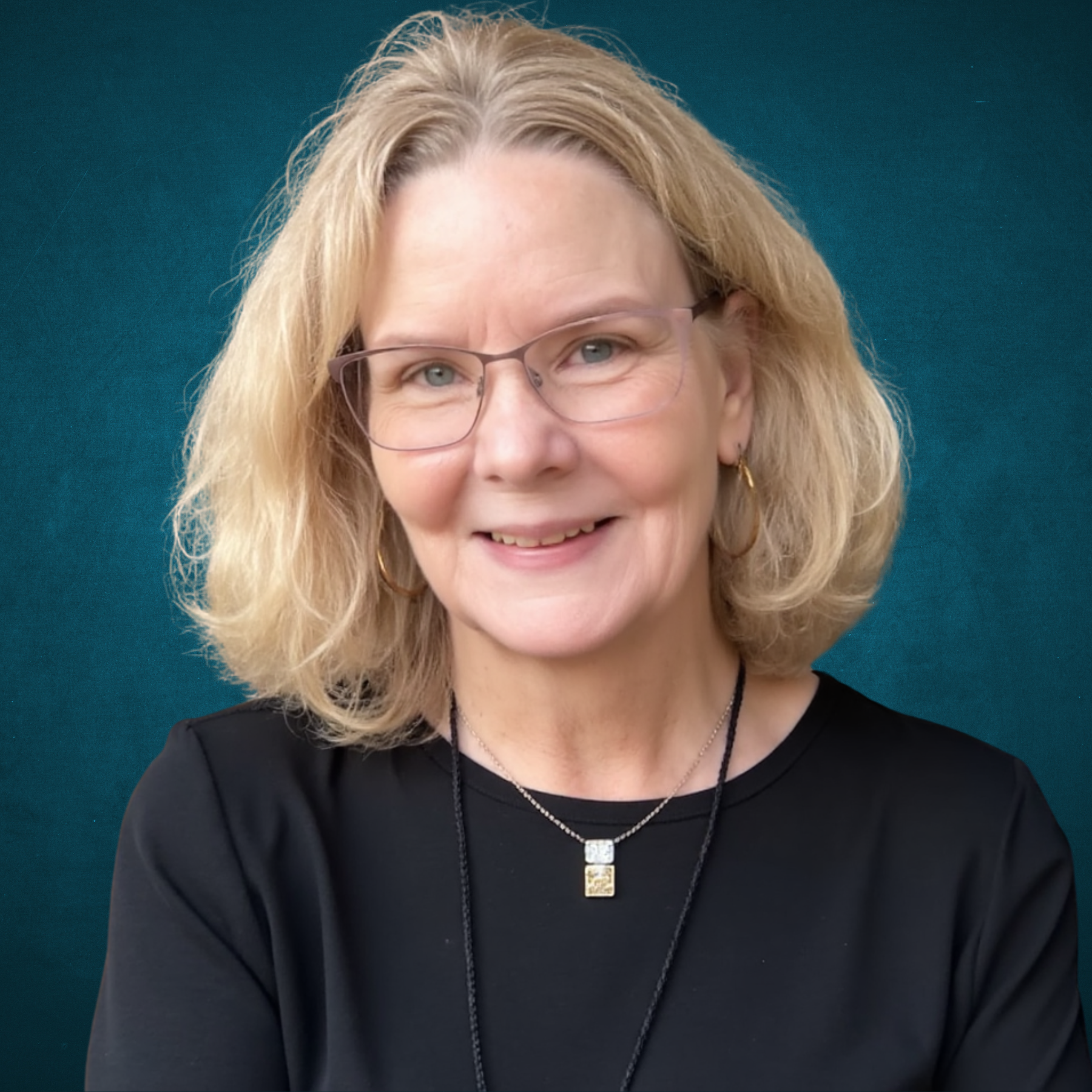
That is one reason an upcoming Girls Bleed Too webinar titled “A New Approach to Von Willebrand disease (VWD) Treatment” feels important to me. As the person behind Girls Bleed Too, I helped put this program together in conjunction with The CHES Foundation because I believe women and families affected by VWD deserve more than a recycled hemophilia conversation. They deserve access to current information, emerging research, and the chance to ask questions in a setting designed with them in mind.
The session held on June 10, 2026, featured Tara O’Meara and Henry Mead from Hemab Therapeutics, who discussed HMB-002, an investigational medicine being studied for VWD in the Velora Pioneer clinical trial. In that trial, HMB-002 is being looked at as a potential subcutaneous treatment designed to help the body hold on to more of the von Willebrand factor that it needs.
Why now?
For many people with VWD, conversations about treatment haven’t felt very innovative. They’ve included familiar ones, like desmopressin, antifibrinolytics, factor products, hormones for menstrual bleeding, iron when bleeding leads to deficiency, and careful planning before dental work, childbirth, surgery, and other procedures.
While these treatments are important and sometimes lifesaving, they aren’t always enough and don’t always fit neatly into real life.
When treatment options are limited, people learn to work around their bleeding instead of expecting care to fully meet their needs. Life gets planned around periods, procedures, bruising, fatigue, iron levels, and a fear of being dismissed by healthcare professionals. Over time, patients become experts at explaining why “mild” doesn’t always feel mild.
Many also carry the quiet burden of knowing that a person can look completely fine while managing a bleeding disorder every day.
As a woman in this community, I know how familiar that is. I know what it’s like when bleeding symptoms are minimized, when treatment plans feel pieced together, and when the burden of explanation falls on the patient. I also know how powerful it is when someone says, “We are studying something new for you.”
Clinical studies aren’t just scientific exercises. They’re also invitations for communities to ask questions, understand possibilities, and make informed choices. For people with VWD, especially those who have felt left behind by innovation, even learning about a new approach can feel validating.
For me, helping to organize this session is part of a larger mission. Girls Bleed Too exists because too many women and girls have spent too long being overlooked, underdiagnosed, undertreated, or told their bleeding was “normal.” Creating a space where VWD is centered — not squeezed into the margins — feels like one small way to push back against that history.
The promise of research doesn’t entail only future medication; it also includes a message that this condition deserves attention. Women with VWD deserve options. Children with VWD deserve better answers. Families deserve treatments that reflect how bleeding disorders actually affect daily life.
For years, VWD has been described as the most common inherited bleeding disorder. But common doesn’t mean simple or minor. And it certainly shouldn’t mean overlooked.
I encourage anyone living with VWD, caring for someone with VWD, or interested in where VWD treatment may be headed to watch the replay. Education is one of the most powerful tools we have, and this is an opportunity to learn, ask questions, and be part of a conversation that many of us have been waiting a long time to have.